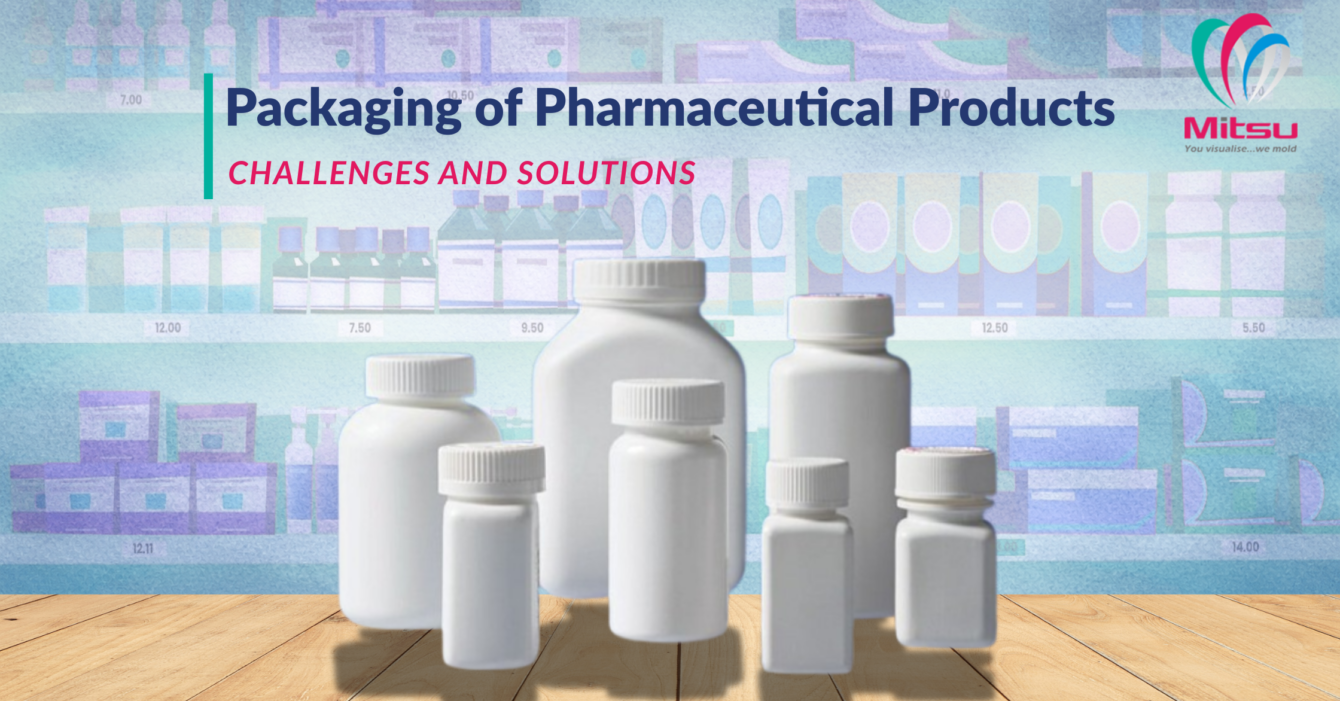
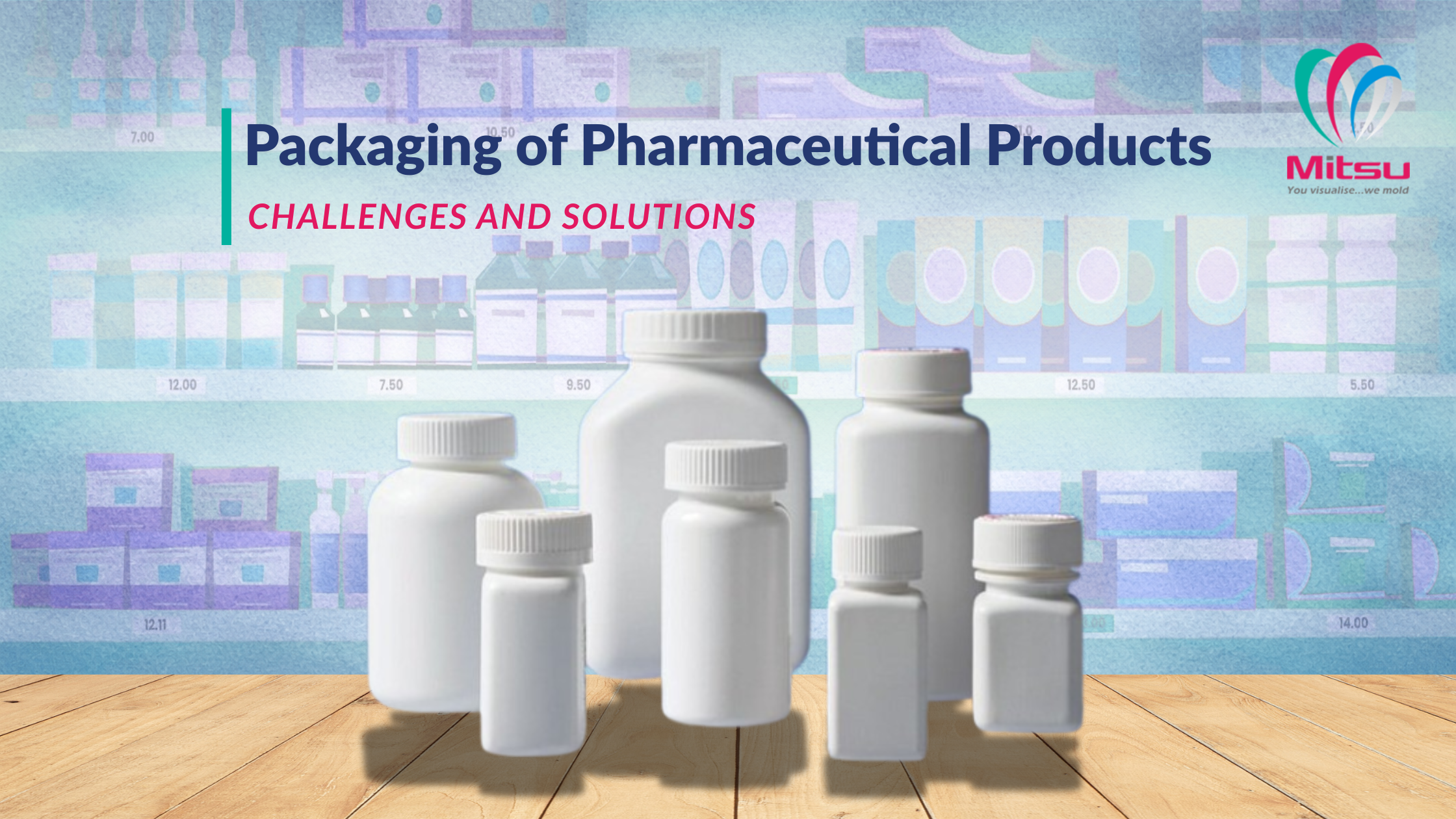
Pharmaceutical product packaging is highly sensitive to drug safety, stability, and compliance. It is not only concerned with containment but also directly influences product efficacy, patient safety, and regulatory approval. The packaging of drugs must be high-performing, beginning with temperature sensitivity to reduce contamination risk. Companies with advanced moulding and material expertise, such as Mitsu Chem Plast Limited, are helping the industry address these evolving demands through high-quality plastic blow-moulded and injection-moulded solutions.
Read on to learn about the main challenges in the packaging of pharmaceutical products and their practical solutions, which every manufacturer and healthcare supplier should learn!
Significant Problems in Pharmaceutical Product Packaging and Their Solutions
The following are the most important problems that may arise in pharmaceutical product packaging, along with the most viable, industry-based solutions to address them.
1. Material Compatibility and Stability of Drugs
One of the biggest challenges in packaging pharmaceutical products is maintaining non-reactive contact between the packaging material and the drug formulation. The chemical reaction, moisture uptake, or gas permeability may be reduced to shorten shelf life and reduce activity.
Solution
Special medical-grade polymers and proven resin compositions help ensure compatibility. Plastic components and containers are moulded with precision and tested to confirm their stability and migration status, ensuring the drugs are not spoiled.
2. Sterility and Control of Contamination
Pharmaceutical products are to be kept sterile. Any minor pollution can pose serious security risks. Packaging and components are supposed to meet high hygienic standards.
Solution
It is possible to reduce contamination risk through controlled manufacturing conditions, verified cleaning procedures, and high-quality moulded containers. Good quality standards and testing laboratories practised by companies ensure that each batch meets sterility and hygiene standards.
3. Regulatory Compliance Requirements
International standard requirements for the packaging of pharmaceutical products are complex and dynamic. In various markets, adherence to safety, traceability, and labelling standards is mandatory.
Solution
This will be ensured through product packaging, backed by adequate quality assurance and testing guidelines. This will ensure that pharmaceutical brands remain in compliance.
4. Waste Reduction and Sustainability
Sustainability is a concern in contemporary pharmaceutical product packaging. Companies will be required to reduce pollution without compromising product safety or regulatory compliance.
Solution
Recycled polymers, optimal packaging weight, and sustainable design solutions can help balance performance and sustainability. The current moulding processes allow using less material while still maintaining high durability and barrier properties.
Conclusion
The packaging of pharmaceutical products must be accurate, adherent, and creative in every process. It encounters several issues, including material compatibility, sterility, regulatory pressure, transportation safety, and sustainability, all of which require professional manufacturing skills. Manufacturers such as Mitsu Chem Plast Limited, with high-quality assurance, advanced moulding capacity, and continuous innovation, can help the pharmaceutical industry with reliable, efficient plastic packaging. We manufacture HDPE and PP bottles ranging from 30 ml to 5 liters, and HDPE drums from 10l o 250l to cater to various requirements.
The future of pharmaceutical packaging lies in more innovative materials, improved design, and stricter quality control, all working together to ensure product and patient protection.